
The impontance of checking your diving equipment
Why is it essential to check your diving equipment before every dive?
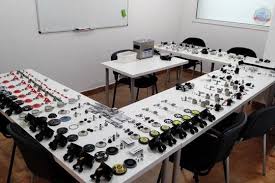
1. Personal Safety
Your diving equipment is your life underwater. From the regulator that supplies your air to the buoyancy control device that manages your flotation, every piece plays a vital role. A malfunction, such as an air leak in the regulator or a faulty valve on the tank, can put your safety at risk. Checking your equipment ensures that everything works correctly and that there are no unpleasant surprises at depth.
Many diving accidents can be avoided with a thorough inspection of the equipment before entering the water. Something as simple as a loose fin strap or a poorly adjusted mask can become a serious problem during the dive. By checking every component, you can prevent situations that could cause panic or discomfort underwater.
2.Extending the Life of Your Equipment
Regular equipment checks are not only important for safety, but also for proper maintenance. By detecting small issues early, you can repair or replace parts before the damage becomes more serious. This extends the lifespan of your equipment and helps avoid unnecessary expenses in the long term.
3. Better Performance and Diving Experience
Well-maintained equipment is not only safer, it also improves your overall diving experience. Regulators that perform flawlessly, a buoyancy control device that responds correctly, and a mask that does not fog allow you to enjoy the dive more, focusing on exploring the environment rather than solving technical problems.
4. Compliance with Diving Standards
Why is it essential to check your diving equipment before every dive?
Diving is an activity that connects us in a unique way with the underwater world, full of beauty, mystery, and adventure. However, it is also a discipline that depends entirely on our equipment to ensure safety and enjoyment. For this reason, checking your equipment before every dive is not just a recommendation—it is an obligation for every responsible diver.
1.Personal Safety: Your Life Underwater
Every piece of your equipment—from the regulator that supplies your air to the buoyancy control device that helps you maintain flotation—is vital for your safety. A failure in any of these elements can cause a dangerous situation underwater, such as running out of air or losing buoyancy control. Check for leaks, proper operation, and secure connections before diving to avoid unpleasant surprises at depth.
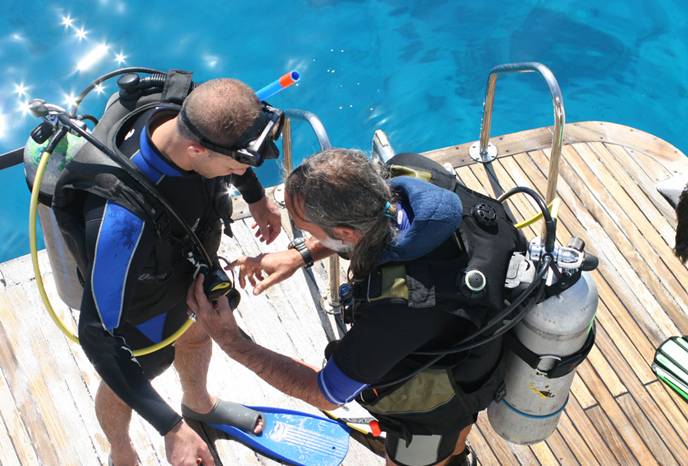
2.Preventing Common Accidents
Diving accidents related to equipment failure occur more frequently than many people think, and many of them can be prevented with a careful inspection before each dive. Even seemingly small issues, such as a loose strap or a leaking mask, can become serious problems if not detected in time.
3. Improving the Diving Experience
Equipment that works properly not only increases your safety, but also your comfort and enjoyment underwater. A regulator with smooth airflow, a buoyancy control device that responds correctly, and a well-fitted mask allow you to focus on the dive itself and on exploration, rather than on solving technical issues during the dive.
4. Maintenance and Extending Equipment Lifespan
Regularly checking your equipment helps identify problems before they worsen. Detecting and repairing small issues early not only reduces the risk of accidents, but also extends the lifespan of your gear and helps avoid unnecessary expenses due to major repairs in the future.
5.Compliance with Diving Standards and Best Practices.
Diving agencies (such as PADI, SSI, NAUI, or local federations) recommend and teach pre-dive check procedures as an essential part of good safety practices. Performing these checks—either by yourself or with the help of your dive center or buddy—ensures that all divers are in the best possible condition before entering the water.
What Should You Check Before Diving? (Quick Checklist)
Before every dive, check the following:
- Regulator: No leaks and consistent airflow
- Air tank: Full, with adequate pressure, and securely attached to the BCD
- Buoyancy Control Device (BCD): Inflate and deflate to ensure locks and valves are functioning
- Mask and fins: No visible damage and properly adjusted
- Instruments: Pressure gauge, depth gauge, and dive computer in good condition and with batteries if applicable
- Buddy Check: Ensure both divers confirm the condition of their equipment before entering the water
Before entering the water, it is essential to perform a buddy check. Each diver checks their partner’s equipment to ensure everything is functioning correctly. This teamwork reinforces safety and significantly reduces the risk of errors.
To make this process easier, we use the internationally recognized mnemonic:
BWRAF – Begin With Review And Friend
B – Begin → BCD (Buoyancy Control Device)
Check your buddy’s BCD:
- Inflate and deflate correctly
- Proper operation of overpressure and dump valves
- Inflator hose securely connected
- Correct fit and adjustment.
A well-functioning BCD is key to maintaining safe and controlled buoyancy throughout the dive.
W – With → Weights
Check the weight system:
- Correct amount of weight
- Proper distribution and secure attachment
- Quick-release system accessible and unobstructed
Incorrect weighting can affect buoyancy and complicate emergency situations.
R – Review → Releases
Check all equipment fastenings:
- BCD straps properly adjusted
- Buckles closed and in good condition
- Cylinder securely attached
This step prevents equipment from moving or coming loose during the dive.
A – And → Air
Check the air system:
- Cylinder valve fully open.
- Adequate pressure on the gauge.
- Primary and alternate regulators functioning correctly.
- Breathing test with both regulators.
Air is your life underwater—this step is absolutely essential.
F – Friend → Final OK (Buddy Confirmation)
Before entering the water:
- Overall visual inspection
- Mutual “OK” signals
- Confirmation of the dive plan, entry, and exit
The dive should only begin when both divers agree that everything is correct.
Conclusion
The BWRAF (Begin With Review And Friend) check is a simple, clear, and effective way to perform a complete buddy check before every dive. Remembering that we do not dive alone and that safety is a shared responsibility is one of the foundations of safe and responsible diving.
Spending one or two minutes on this procedure can make a significant difference underwater.
So remember: every safe dive starts with a proper equipment check.
Carlos Campaña
22/01/26
¿Dónde Estamos?
C.C. Papagayo, Avenida de Papagayo 18, local 67D
35580 Playa Blanca
Lanzarote – Islas Canarias
+34 690 80 85 08
+34 928 51 72 77
info@lanzarotenonstopdivers.com
Lanzarote Non Stop Divers
Centro de buceo en Lanzarote.
Salidas diarias, cursos de buceo de todos los niveles.
Alquiler de equipos de buceo